
Attitude and knowledge: - essential as we age
I have worked in the Aged Care Health Sector for over 25 years. I have post-graduate qualifications in this field. I was an educator in Aged care at hospitals and Universities. I give talks to community groups about Healthy/Positive Ageing and I am constantly amazed with the lack of knowledge many people have about the changes that occur in their body as they age. Having an acceptance of these ageing changes and how to maintain your health even with these changes, will go a long way to staying independent and in control of your life.
A major study by the Harvard University:- The Harvard study of adult development that started in 1938 and is still going to this day, was able to demonstrate that being resilient in old age, has a lot to do with your attitude towards ageing and being able to graciously accept help when needed.
During my nursing of the older person, I discussed their care with both the person and their families. There was often conflict about the level and intensity of the medical intervention. Family members either ignored the wishes of their older relative/family member or had unrealistic expectation of medical interventions to ‘undo or reverse’ ageing changes. The other side of the coin, was when the older person had a medical condition that was treatable with a good prognosis and the family just put it down ton ‘old age’ and ‘what could you expect at his/her age’.
It is important to have a realistic knowledge of how the body changes as we age. Pictures of 90 year old marathon runners are the exception. You will get old and your body will have ageing changes that you will need to modify your life for. That is not saying ‘give up’. It is saying to move and live within your abilities, stay mentally and physically active, eat well and have gratitude for each day’s experiences - not dread. Enjoy- not everyone experiences old age.
Ageing & the Immune Changes
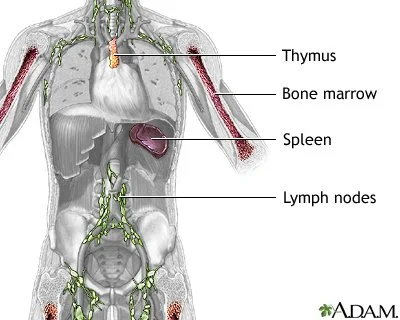
The lymphatic system is an essential part of a healthy immune system as we age. Daily movement is essential to move the lymphatic fluid around the body.



YOGA and CANCER
At any stage of life, the diagnosis of a cancer has devastating consequences. The diagnosis of a cancer increased with age. There are several reasons for this increase but there are actions that can be taken to reduce this age-related risk
Cancer develops when the body’s cells grow and spread within the body, in an uncontrolled manner. The original cancerous cell can develop in any tissue in the body.
There is a sharp increase in people over 65 developing a cancer and this increases again by age 75 years of age.
Yes – there are daily activities that can be done to reduce your risk of developing a cancer. YOGA offers many interventions. However the statistics will still put you in a high risk category as you become older.
“The cancer needs both a ‘seed’(the primary defective cell) and the ‘soil’ (the environment around that cancer cells to provide the nutrients needed for the cancer to grow)”. Dr A. Sharma. 2026. Garvan Institute of Medical Research. 2026.
YOGA has many interventions that help with keeping the environment cleaned out to reduce the build-up of waste that may encourage the cancer cells to grow.
YOGA can also many practices that can support you if you do develop a cancer.
About 88% of all cancer diagnosis occur in people over the age of 50 years.
The main types are skin cancer, prostate cancer in older men; breast cancer in older women; and colorectal (bowel) cancer for both sexes.
So why are older people at an elevated risk?
§ There has been a higher cell turn over by the time we reach old age. Every cell replication poses the possibility of a genetic mutation occurring.
§ The old body has been exposed to many environmental toxins that may have accumulated in the tissues.
§ There is a higher concentration of cortisol due to the HPA axis becoming less sensitive to controlling the output of cortisol.
o Higher cortisol increases insulin resistance, Fat storage especially visceral fat, anxiety, and chronic inflammation – inflammaging.
§ The changes to the immune system reduces the body’s ability for detecting and removing cancerous cells.
o Increase in the development of senescence cells
o Slowed lymphatic clearance of the interstitial fluid
o Thymic involution
o Immune response
I will briefly go through each change to the immune system and suggest some interventions that YOGA can offer.
CORTISOL: The regulation of cortisol relies on the initial activation in the hypothalamus following a stressor, then the hormone Cortisol Releasing hormone activating the Pituitary to release ACTH (adrenocorticotropic hormone) to the Adrenal and then the production of cortisol.
Actions of cortisol: These are some of the main effects. There are many others.
§ Increases blood glucose to allow for greater utilisation by the brain so you can respond to a stressor efficiently. Aids with fat breakdown for energy if necessary. These actions increase the availability of energy to the body’s cells.
§ Anti-inflammatory actions: reduces some inflammatory cells and chemical inflammatory actions
§ Immunosuppressive actions: Reduces specific immune cells that are involved with antibody production.
§ Excess, elevated cortisol can result with irritability and anxiety
§ In chronic stress’ there is an effect on bone and calcium absorption
The homeostatic mechanism (the body’s ability to return to and maintain all systems in the most stable and efficient internal working condition). Most homeostatic mechanisms work by a ‘feed-back’ mechanism.
This is how the cortisol levels are returned to normal. What happens when either your cortisol remain high &/or the feedback does not signal the adrenal gland to turn off the production.
Within the brain; the amygdala turns the HPA axis on and cortisol production continues as it is needed. When the stress treat has reduced, the SNS alert the Hippocampus to turn the HPA axis and therefore cortisol production – off.
However, if the stressors remain active/chronic, the cortisol levels remain high and cortisol does a lot of damage throughout the body and brain. (The HPA Axis and cortisol homeostasis is a complex system. Please review some YouTubes for more detailed explanations. Dr Matt & Dr Mike have good videos.)
How YOGA can help: By normalising your cortisol, both the physiological and psychological systems of your body are greatly impacted.
Stress symptoms can increase insidiously. You become more irritable, feel tired/fatigued, and you just do not enjoy the things you used to. This is when you do need to take some time out to reflect on how you are going.
Simple pranayama practices such as Alternate Nostril Breathing. Nadi Shodhana is an excellent starting place. Can you sit for at least 10 rounds without become irritable, wanting to move, feeling ‘fed up’. If not – some reflection with a full body Yoga Nidra especially before bed.
Waking your body up slowly in the morning with some full breaths, gentle stretches and joint movements will help get you and your body ready for the day. You may often wake in the morning without feeling refreshed, so just take it easy – be kind to yourself.
Sleep: Bhramari Pranayama just before you lie down is essential. This practice aids with enhanced blood flow to the brain with increased nitric oxide in the blood, aids glymphatic drainage from the brain during sleep as the muscles in the neck become relaxed after your days stress. The usual ‘healthy sleep’ practices are also necessary. Turing off blue light 1 hour before bed and no electronic equipment in the bedroom. Having a warm shower before bed and rubbing a scented oil (of your choice) on your body, complete blackness in the room.
Chronic stress in the body is also associated with reduced lymphatic flow and increased senescence cells. Chronic stress results with impaired blood flow to and from all body tissues especially the muscles and essential organs. This result with a build-up of metabolic by-products in the interstitial fluid that are not removed by the lymphatic system.
YOGA: The ‘dead bug pose’ Stambhasana is a generalised asana that has many benefits. Done in the morning with slow stretches of the limbs, rotation of all the synovial joints and attention with the breath, this pose will awaken the body in a gentle manner. Remember that cortisol naturally rises in the morning, so as you are ‘normalising’ your cortisol, slow and steady will reduce any sympathetic nervous system activation.
Doing this asana about an hour before bed will encourage lymphatic drainage of all the muscles and organs and re-new that interstitial fluid that is bathing all the cells.
Remember that chronic stress has a systemic effects on all the body tissues and keeps them in a constantly taught state, preventing circulation into and out of tissues.
Don’t try and do too much. A small amount daily and use the movements to feel where your body is restricted.
So keeping the fresh oxygen rich blood circulating to all the cells, ensuring all metabolic waste products are constantly being removed can help reduce the development of a cancer as you age. There are no guarantees, but it all helps to stay healthy.
At any stage of life, the diagnosis of a cancer has devastating consequences. The diagnosis of a cancer increased with age. There are several reasons for this increase but there are actions that can be taken to reduce this age-related risk
Cancer develops when the body’s cells grow and spread within the body, in an uncontrolled manner. The original cancerous cell can develop in any tissue in the body.
There is a sharp increase in people over 65 developing a cancer and this increases again by age 75 years of age.
Yes – there are daily activities that can be done to reduce your risk of developing a cancer. YOGA offers many interventions. However the statistics will still put you in a high risk category as you become older.
“The cancer needs both a ‘seed’(the primary defective cell) and the ‘soil’ (the environment around that cancer cells to provide the nutrients needed for the cancer to grow)”. Dr A. Sharma. 2026. Garvan Institute of Medical Research. 2026.
YOGA has many interventions that help with keeping the environment cleaned out to reduce the build-up of waste that may encourage the cancer cells to grow.
YOGA can also many practices that can support you if you do develop a cancer.
About 88% of all cancer diagnosis occur in people over the age of 50 years.
The main types are skin cancer, prostate cancer in older men; breast cancer in older women; and colorectal (bowel) cancer for both sexes.
So why are older people at an elevated risk?
§ There has been a higher cell turn over by the time we reach old age. Every cell replication poses the possibility of a genetic mutation occurring.
§ The old body has been exposed to many environmental toxins that may have accumulated in the tissues.
§ There is a higher concentration of cortisol due to the HPA axis becoming less sensitive to controlling the output of cortisol.
o Higher cortisol increases insulin resistance, Fat storage especially visceral fat, anxiety, and chronic inflammation – inflammaging.
§ The changes to the immune system reduces the body’s ability for detecting and removing cancerous cells.
o Increase in the development of senescence cells
o Slowed lymphatic clearance of the interstitial fluid
o Thymic involution
o Immune response
I will briefly go through each change to the immune system and suggest some interventions that YOGA can offer.
CORTISOL: The regulation of cortisol relies on the initial activation in the hypothalamus following a stressor, then the hormone Cortisol Releasing hormone activating the Pituitary to release ACTH (adrenocorticotropic hormone) to the Adrenal and then the production of cortisol.
Actions of cortisol: These are some of the main effects. There are many others.
§ Increases blood glucose to allow for greater utilisation by the brain so you can respond to a stressor efficiently. Aids with fat breakdown for energy if necessary. These actions increase the availability of energy to the body’s cells.
§ Anti-inflammatory actions: reduces some inflammatory cells and chemical inflammatory actions
§ Immunosuppressive actions: Reduces specific immune cells that are involved with antibody production.
§ Excess, elevated cortisol can result with irritability and anxiety
§ In chronic stress’ there is an effect on bone and calcium absorption
The homeostatic mechanism (the body’s ability to return to and maintain all systems in the most stable and efficient internal working condition). Most homeostatic mechanisms work by a ‘feed-back’ mechanism.
This is how the cortisol levels are returned to normal. What happens when either your cortisol remain high &/or the feedback does not signal the adrenal gland to turn off the production.
Within the brain; the amygdala turns the HPA axis on and cortisol production continues as it is needed. When the stress treat has reduced, the SNS alert the Hippocampus to turn the HPA axis and therefore cortisol production – off.
However, if the stressors remain active/chronic, the cortisol levels remain high and cortisol does a lot of damage throughout the body and brain. (The HPA Axis and cortisol homeostasis is a complex system. Please review some YouTubes for more detailed explanations. Dr Matt & Dr Mike have good videos.)
How YOGA can help: By normalising your cortisol, both the physiological and psychological systems of your body are greatly impacted.
Stress symptoms can increase insidiously. You become more irritable, feel tired/fatigued, and you just do not enjoy the things you used to. This is when you do need to take some time out to reflect on how you are going.
Simple pranayama practices such as Alternate Nostril Breathing. Nadi Shodhana is an excellent starting place. Can you sit for at least 10 rounds without become irritable, wanting to move, feeling ‘fed up’. If not – some reflection with a full body Yoga Nidra especially before bed.
Waking your body up slowly in the morning with some full breaths, gentle stretches and joint movements will help get you and your body ready for the day. You may often wake in the morning without feeling refreshed, so just take it easy – be kind to yourself.
Sleep: Bhramari Pranayama just before you lie down is essential. This practice aids with enhanced blood flow to the brain with increased nitric oxide in the blood, aids glymphatic drainage from the brain during sleep as the muscles in the neck become relaxed after your days stress. The usual ‘healthy sleep’ practices are also necessary. Turing off blue light 1 hour before bed and no electronic equipment in the bedroom. Having a warm shower before bed and rubbing a scented oil (of your choice) on your body, complete blackness in the room.
Chronic stress in the body is also associated with reduced lymphatic flow and increased senescence cells. Chronic stress results with impaired blood flow to and from all body tissues especially the muscles and essential organs. This result with a build-up of metabolic by-products in the interstitial fluid that are not removed by the lymphatic system.
YOGA: The ‘dead bug pose’ Stambhasana is a generalised asana that has many benefits. Done in the morning with slow stretches of the limbs, rotation of all the synovial joints and attention with the breath, this pose will awaken the body in a gentle manner. Remember that cortisol naturally rises in the morning, so as you are ‘normalising’ your cortisol, slow and steady will reduce any sympathetic nervous system activation.
Doing this asana about an hour before bed will encourage lymphatic drainage of all the muscles and organs and re-new that interstitial fluid that is bathing all the cells.
Remember that chronic stress has a systemic effects on all the body tissues and keeps them in a constantly taught state, preventing circulation into and out of tissues.
So keeping the fresh oxygen rich blood circulating to all the cells, ensuring all metabolic waste products are constantly being removed can help reduce the development of a cancer as you age. There are no guarantees, but it all helps to stay healthy.
INformation about Yoga Therapy
For the general population, the difference between a yoga practice and yoga therapy is often either not demarcated at all, or poorly understood. Some yoga teacher who have had no or little experience with yoga therapy also have a limited knowledge.
A yoga practice, either at a studio/class with other students, or a home or individual practice, is usually a sequence of yoga asanas and pranayama practices. These practices may have a specific focus or be generalised.
A yoga teacher has had training in how to safely teach yoga asanas with a basic focus on how the body’s anatomy moves. There will also be a basic level of teaching for breathing and meditation. Yoga teacher do have different levels of education and training.
Yoga Therapy (YT) is NOT just a more extensive yoga practice. It may involve a yoga practice that has been devised specifically for the individual. YT takes into consideration all of a person’s lifestyle factors, any physical, mental and emotional presenting factors, current health conditions, and the goals of the person. The YT and the person will work to develop a holistic practice, including all aspects of a person life. The YT acts as a guide, offering specific yoga interventions and supporting the person to explore and develop their own practice and changes to their lifestyle.
A YT does not overrule any therapy the person may be doing. A YT acts as a guide and does not ‘cure’ any condition, nor do they diagnose any medical condition. The YT is focused on developing an individualised practice that will help the person with self-awareness and self-development for practices they can easily introduced into their lifestyle.
YT is not a ‘quick fix’ that is ‘given’ to a person for them to do in a repetitive unaware manner. Any interventions recommended have been developed with a person-centred focus. One of the goals of yoga therapy is to support a person to become aware of their own body and lifestyle needs, so they can develop and implement practices that will enhance their lifestyle for the rest of their life.
A YT that has trained at an accredited school, has had extensive education and experience on many aspects of health and yoga. Always check the training a YT has undertaken before engaging their service.
I trained at the Yoga Therapy Institute, a program that is registered with Yoga Australia. I undertook 745 hour of specialised training that included developing kno0wledge on Functional Anatomy, knowledge of the most common chronic diseases and their conventional treatments, and Yoga principles and philosophies. I have experience as a yoga teacher and provide supervision and mentorship to training Yoga Therapy students. I have over 40 years’ experience as a registered nurse in many areas of the health care system.
I am passionate about supporting a person to manage their own health and remain as independent and as healthy as possible.
Please contact me via my email if you would like further information. I provide face-to-face YT sessions as well as zoom sessions for all ages and abilities.